

The Istanbul Convention presents a beacon of hope, symbolizing an era free from discrimination against women and heralding an environment that fosters equal socio-economic opportunities for all, irrespective of age. As a signatory, Serbia has pledged to uphold these noble principles, yet the present socio-economic situation of older women necessitates a more profound commitment.
The Dichotomy of Home Ownership
Home ownership for older women in Serbia tells a complicated tale. While 64.6% of older women live in houses and a seemingly impressive 41.4% of them claim ownership, these numbers mask a grim reality. In married unions, only 14.5% of women are the actual homeowners. The scenario dramatically shifts when women live alone, with ownership skyrocketing to 69.7%. Divorced, widowed, and never-married women showcase the highest rates of property ownership.
Lingering Infrastructural Challenges
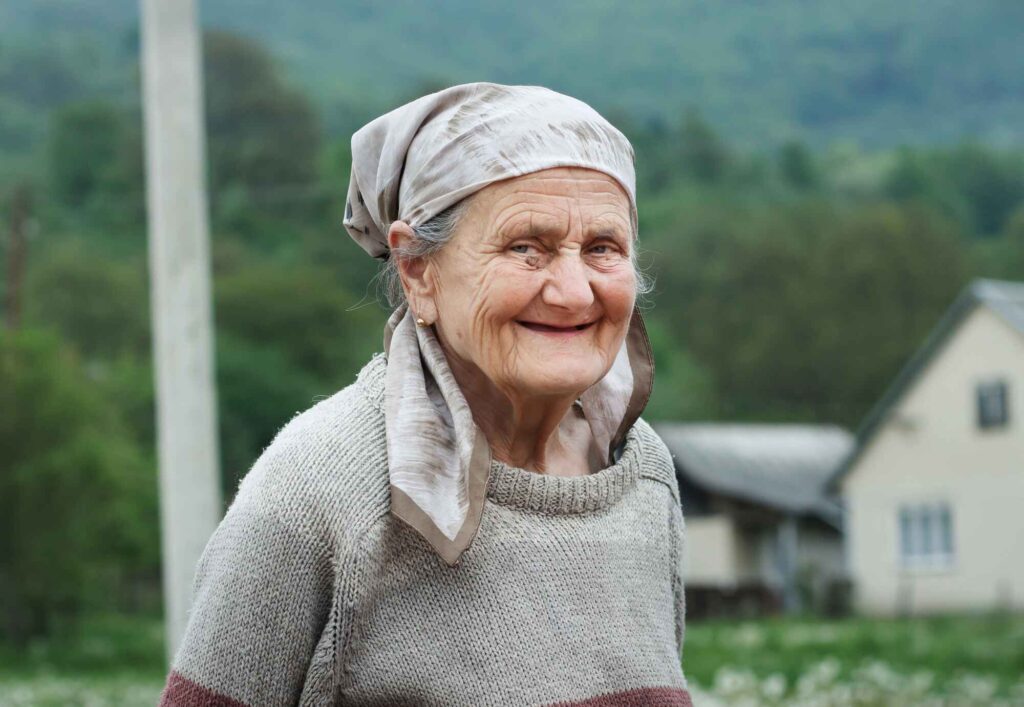
A glaring 18.1% of older women face infrastructural issues like leakages and structural damages, with rural regions suffering the most (23.1%). This infrastructural decay not only poses physical hazards but also symbolizes a breach of the fundamental right to safe and secure living conditions.
Economic Insecurity: A Distressing Reality
Despite the majority (57.3%) of older women relying on an old-age pension and only a minuscule 3.9% reporting no personal income, the economic challenges are deeply rooted. A staggering 45.6% of older women require substantial additional funds to meet their needs, with only 17.2% able to cover their necessities with their current income. This economic instability is reflected in their subjective assessments too, with 54.4% expressing dissatisfaction with their economic status and 44.5% asserting a need for state assistance.
To put this into perspective, the average monthly income of these households is 47,343 dinars (~400 EUR), with only 12.7% managing to save any part of it. This income pales in comparison to the EU average pension, which is above 1000 EUR. The relatively low income, coupled with limited savings, underscores the economic insecurity these women face.
The Danger of Delegated Authority
In a concerning trend, 19.3% of older women have delegated their current account authority to another person, usually a child or a husband. This development is worrying, given the growing reliance on digital payments and online banking, as it exposes older women to financial abuse and risks their financial independence – a right promised under the Istanbul Convention.
Employment: The Missing Piece
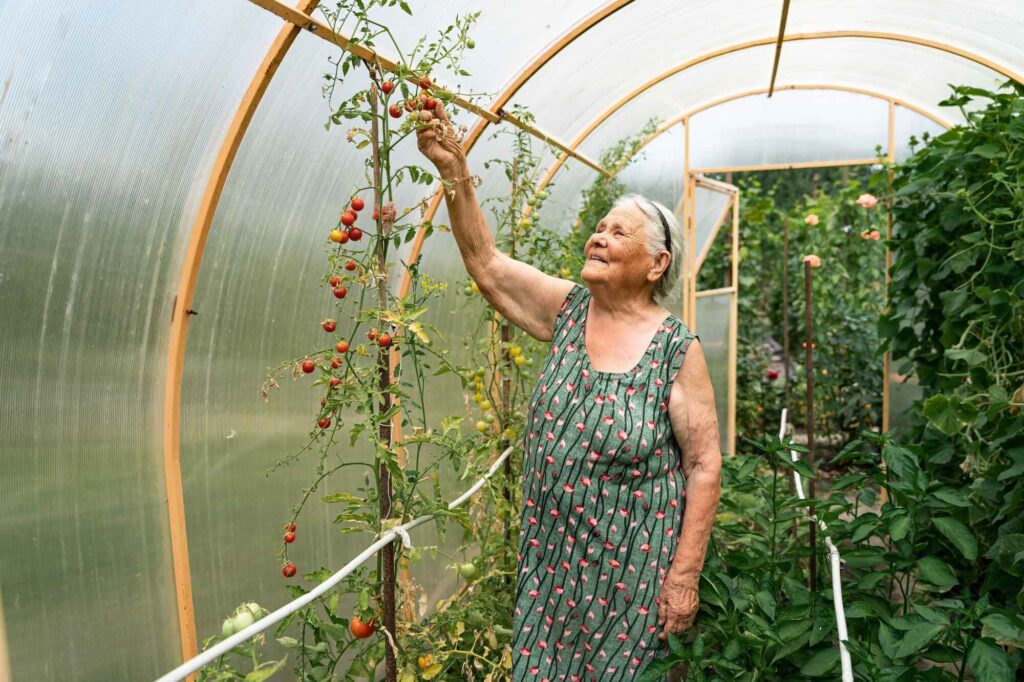
Although 89.3% of surveyed women are retired, a not-so-small 16.7% expressed a desire to work if opportunities aligning with their competencies were available. The right to work and contribute to the economy remains vital at all ages, and there is a pressing need to create more opportunities for older women to engage in gainful employment.
Policy Recommendations
The socio-economic position of older women in Serbia is at a critical juncture. To move closer to the Istanbul Convention’s vision, the country needs to embrace the following policy recommendations:
- Strengthening Property Rights: Serbia must enact robust property rights protections to ensure that older women are secure in their homes, regardless of their marital status.
- Addressing Infrastructural Issues: Investments need to be directed towards repairing and maintaining homes where older women live, especially in rural areas.
- Enhancing Financial Security: Policies should aim to enhance the economic resilience of older women, possibly through strengthening the pension system and providing social support to those in need.
- Promoting Financial Independence: Initiatives should be taken to educate older women about financial management, encouraging them to maintain control over their personal accounts.
- Boosting Employment Opportunities: Efforts should be made to tap into the potential of older women willing to work, by creating opportunities that align with their skills and abilities.