

Recent demographic and socio-economic shifts in Serbia have foregrounded an urgent concern – the escalating levels of material deprivation and poverty among the elderly. This disconcerting reality is intricately tied to broader issues of social exclusion, inequality, and ageism. As researchers and advocates working with non-governmental organizations, we emphasize the importance of using empirical evidence to guide policy interventions and highlight some concerning statistical trends.
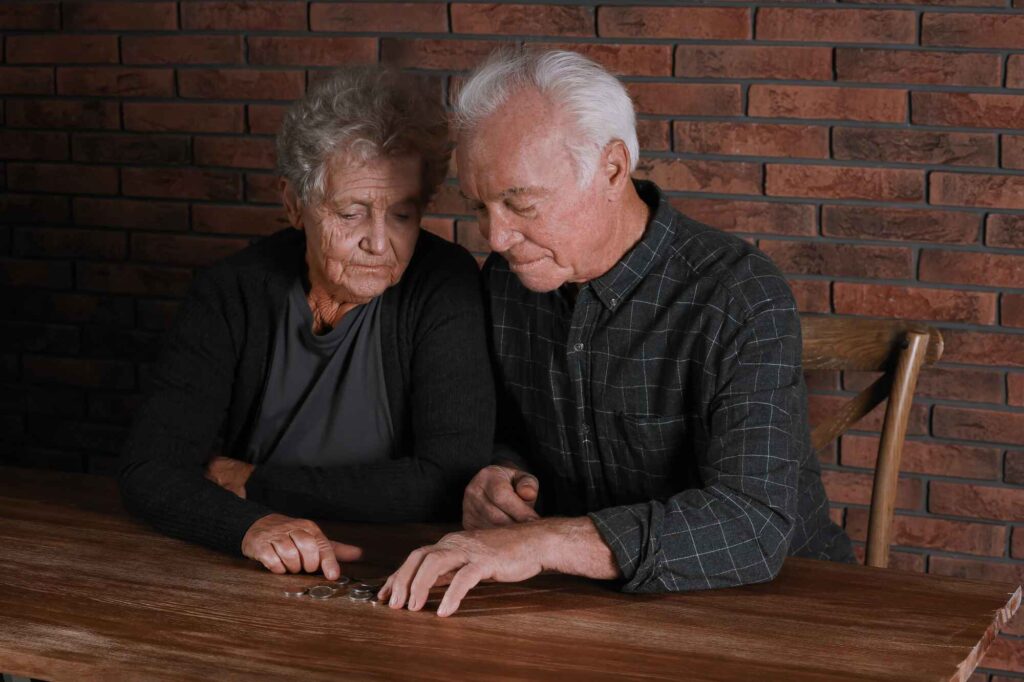
As per the Serbian Statistical Office, approximately 25% of the older adults in Serbia are at risk of poverty or social exclusion. This is particularly concerning when compared to the average at-risk-of-poverty rate among the elderly in the EU, which as per Eurostat, stood at around 18.2% in 2019. It is clear that the elderly population in Serbia is more likely to face poverty compared to their counterparts in the EU.
In the 2019 survey, 54.2% of elderly respondents stated that their monthly income met their needs. This figure showed a marginal improvement to 55.2% in 2021, but it indicates a significant proportion of elderly individuals still struggle to meet basic needs with their income.
Moreover, 6.2% of older individuals reported being unable to afford adequate nutrition, an essential determinant of health in later life. The affordability of heating, a vital necessity during Serbia’s harsh winters, was a concern for 8.0% of the elderly population. An alarming 29.7% reported difficulty in paying their bills, a testament to the precarious financial situations many find themselves in.
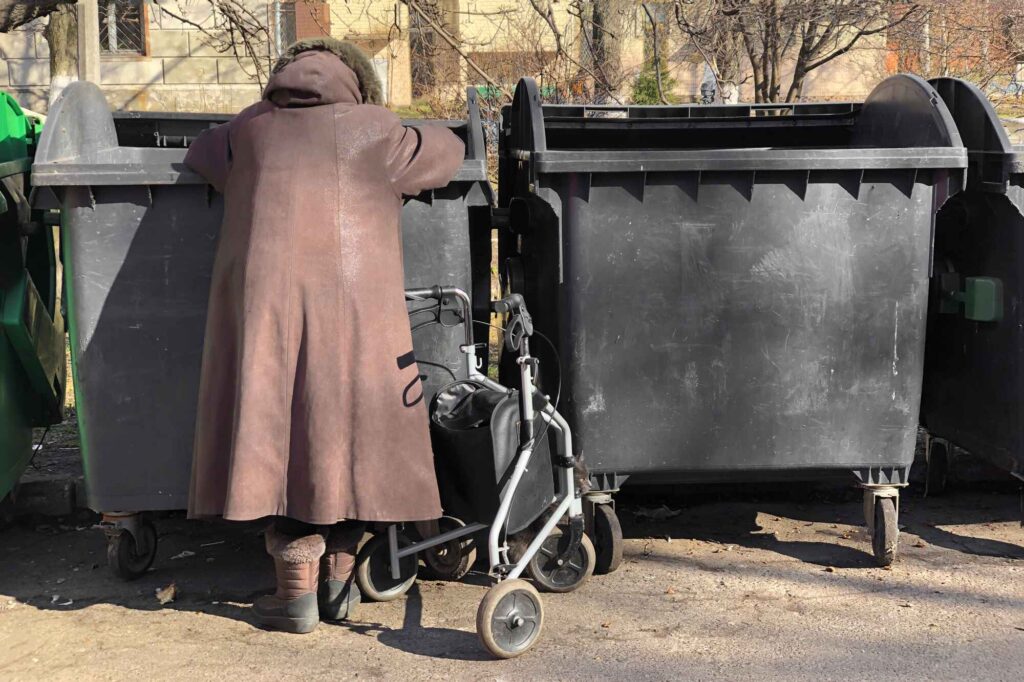
A significant portion of the elderly also bear a high housing cost burden. Data shows that 51.6% of older people spend more than 30% of their income on housing expenses, significantly above the recommended affordability threshold. Furthermore, 39% feel that their housing costs jeopardize their financial stability, which is a significant source of stress and anxiety.
From a global comparative perspective, Eurostat data indicates that Serbia’s at-risk-of-poverty rate is significantly higher than the EU average, particularly for older individuals. This points towards the need for more targeted social policies to address these issues.
These empirical insights underscore the necessity of the following policy recommendations:
- Reform the Pension System: A thorough reform of the pension system is needed to ensure equitable benefits distribution. Policymakers must pay special attention to those left out of the formal labor market, including women engaged in unpaid care work.
- Invest in Health and Social Care: Investing in health and social care infrastructure is paramount. Focus on preventive healthcare and the establishment of comprehensive home care services are crucial steps towards ensuring the health of the elderly population.
- Promote Active Aging: Encouraging active aging should be a priority, enabling older adults to participate in social, economic, cultural, and civic affairs.
- Ensure Accessibility to Basic Resources: Ensuring access to basic resources like food, housing, transportation, and utilities is a social imperative that can be achieved by improving the infrastructure and services catered to the older population.
- Develop a National Strategy: Establishing a comprehensive, long-term national strategy focused on reducing poverty and improving the quality of life of older adults is paramount. This strategy should foster older people’s participation in the decision-making processes impacting their lives.
As we strive towards an inclusive and equitable society, we urge policymakers, civil society, and citizens to work collectively in realizing these recommendations. By ensuring the social and economic inclusion of older adults, we can make a significant stride towards a society where every individual ages with dignity and security.