

As Serbia experiences a significant shift towards an aging population, it’s crucial to place the wellbeing and quality of life of older persons at the forefront of our social policy agenda. In line with global trends, older persons in Serbia are facing a myriad of challenges related to their living arrangements. These circumstances necessitate a thorough examination and response from policymakers, social workers, healthcare providers, and non-governmental organizations (NGOs).
Research indicates that older persons living with their spouses report higher quality of life metrics across multiple areas, compared to those sharing a household with children or living independently. Notably, seniors living alone frequently display lower assessments in categories such as social connections, as well as specific elements including mortality, dying, and intimacy.
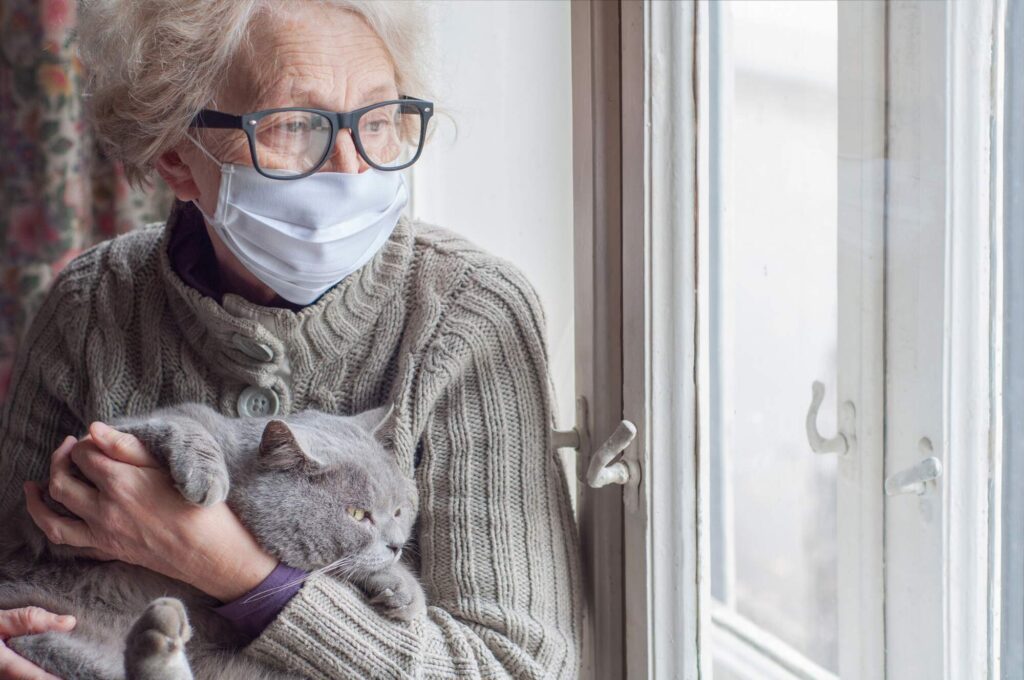
Recent research conducted by IDEAS and UNFPA, have corroborated these findings for Serbia, showing that compared to the broader older population, seniors living alone exhibit greater signs of social isolation and loneliness. This isolation manifests in various aspects of their lives. For instance, 15% of them don’t have any close family members, three times the proportion found in the general older population. They are also twice as likely to feel a lack of love and belonging, indicating a more profound sense of loneliness.
Similarly, the feeling of being understood is less prevalent among them. While 10% of the older population feels misunderstood, the percentage rises to 17% for those living alone. Their sense of significance within the community is also impaired, with less than half (46%) feeling valued, compared to 62% in the general older population. Financial dissatisfaction, more common among those living alone, further fuels these feelings of isolation and insignificance.
Digital inclusion is another concern, with over half (55%) of all seniors lacking internet access at home. Among those living alone, the proportion increases to 78%, highlighting the digital divide.
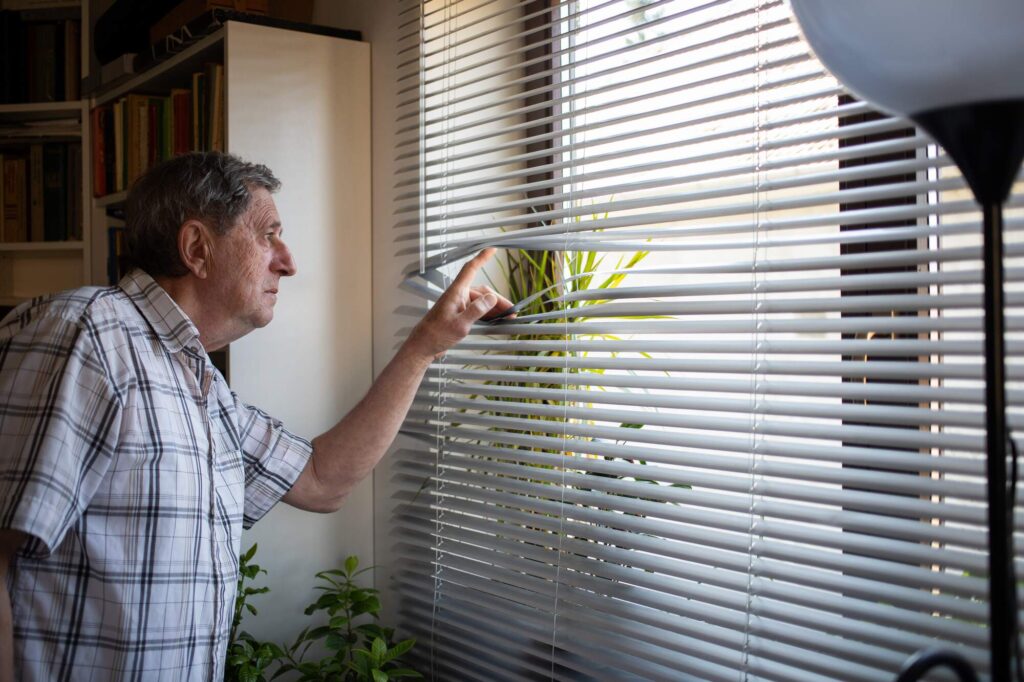
In conclusion, the increasing age of Serbia’s population requires urgent focus on the quality of life and well-being of our elderly. The research underscores the challenges that older people, particularly those living alone, encounter, such as enhanced social isolation, limited support access, digital exclusion, and compromised emotional well-being. The situation is further exacerbated by prevalent social structures and family-centric cultures, underscoring the necessity for supportive networks for those living alone. With this in mind, it becomes evident that tailored interventions designed to alleviate these conditions and improve their circumstances are urgently needed.
Recommendations:
- Develop Supportive Networks: Fostering strong, supportive networks for seniors living alone is crucial. Local community centers, religious institutions, and volunteer organizations should play an active role in providing regular contact and interaction opportunities for these individuals.
- Enhance Accessibility to Support: Policymakers and NGOs must work together to streamline and improve access to necessary aid for the elderly, especially those living alone. This includes continuous access to healthcare services, financial aid, and emotional support.
- Promote Digital Inclusion: Initiatives aimed at reducing the digital divide among seniors are vital. Providing digital literacy training and improving internet accessibility can empower them, enabling better communication, access to online resources, and reduced feelings of isolation.
- Strengthen Mental Health Services: Given the increased reports of unhappiness and a profound sense of loneliness among seniors living alone, mental health support services should be a priority. This could involve expanding mental health care facilities, providing accessible counseling services, and integrating mental health care into routine health services for seniors.
- Awareness and Advocacy: Raise awareness about the challenges faced by the elderly living alone, promoting understanding, empathy, and action within the community. Advocate for their needs at the policy level to drive social change and allocate adequate resources.
With these targeted interventions, we can hope to significantly improve the quality of life and emotional well-being of our senior population, ensuring they are valued, understood, and well-supported within our communities. It is a collective effort that demands action from all sectors of society.